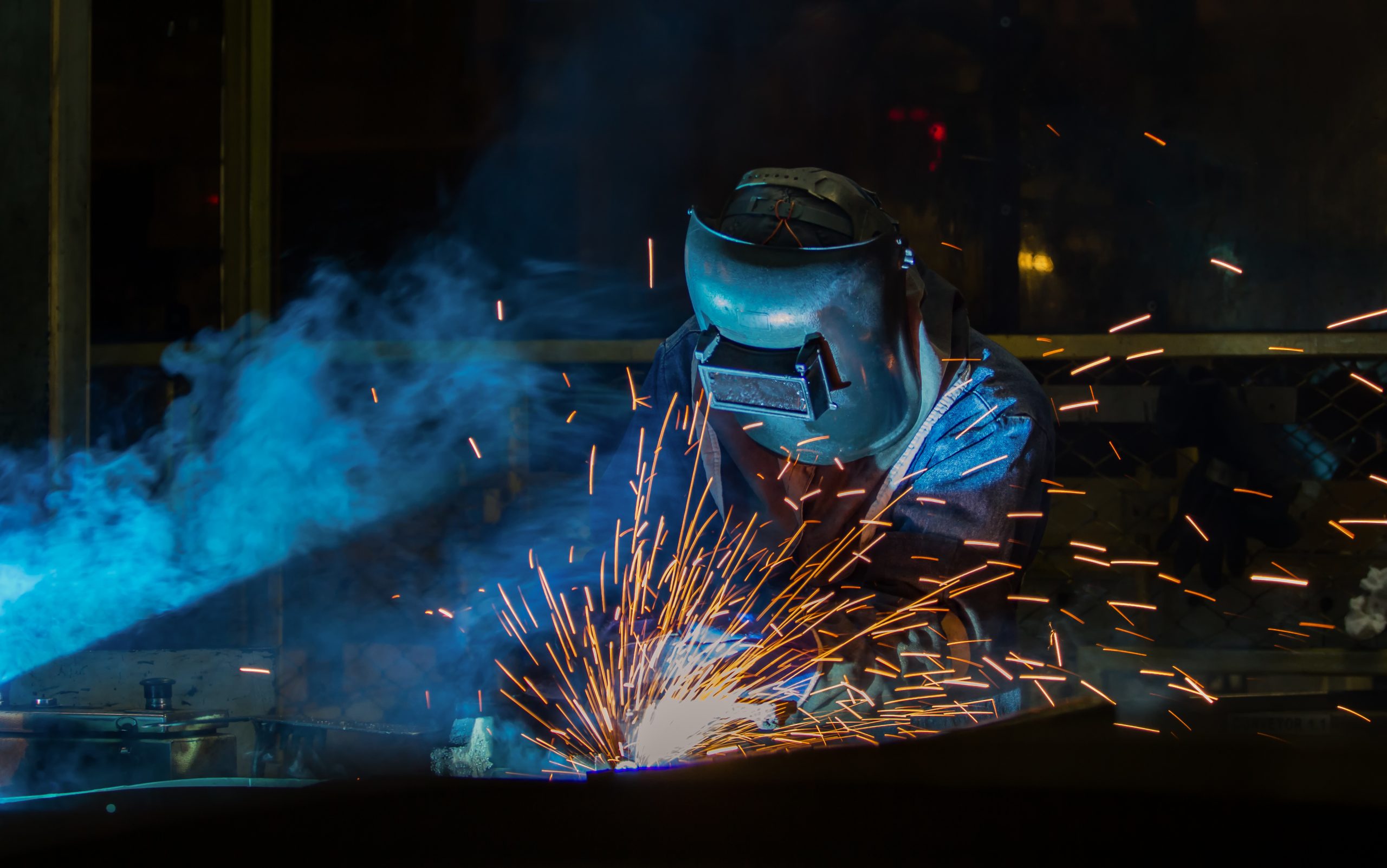
Protecting workers while maintaining high productivity is a top priority in fabrication shops and industrial settings across the United States. For those searching for insights on how to achieve both goals, understanding the latest safety practices is essential. Many professionals seek practical guidance by searching for Welding safety tips that address real-world challenges on the job.
The Importance of Welding Safety in American Industries
Industrial environments, from automotive plants to construction sites, rely heavily on skilled welders. However, the risks associated with welding—including burns, eye injuries, electrical shocks, and exposure to hazardous fumes—make comprehensive safety measures indispensable. Prioritizing worker safety not only reduces the likelihood of accidents but also minimizes downtime, helping businesses maintain consistent productivity.
Essential Welding Safety Tips
Implementing practical safety measures can significantly reduce workplace accidents and enhance operational efficiency. Consider these actionable tips:
1. Personal Protective Equipment (PPE)
Proper PPE is the first line of defense for welders. Essential items include:
- Welding helmets with auto-darkening filters to protect eyes and face from sparks and UV radiation.
- Fire-resistant gloves and jackets to shield skin from burns and hot metal.
- Respirators or fume extraction systems to minimize inhalation of toxic fumes.
- Safety boots with steel toes to prevent foot injuries.
2. Workspace Preparation and Ventilation
A well-organized, clean, and ventilated workspace is crucial for both safety and productivity:
- Clear the area of flammable materials before starting any welding operation.
- Use welding curtains or barriers to protect nearby workers from sparks and UV exposure.
- Ensure proper ventilation or use local exhaust systems to remove hazardous fumes from the breathing zone.
3. Equipment Inspection and Maintenance
Regular checks and maintenance of welding equipment are vital to prevent malfunctions that can lead to accidents:
• Inspect cables, torches, and connections before each use for signs of wear or damage.
• Verify that grounding is secure to avoid electrical shocks.
• Schedule routine maintenance according to the manufacturer’s guidelines.
4. Training and Continuous Education
Ongoing education ensures that welders are up to date on the latest safety protocols and techniques:
• Provide comprehensive training for new hires and refresher courses for experienced workers.
• Encourage workers to report hazards and participate in safety meetings.
• Display safety signage and instructions prominently in the work area.
5. Emergency Preparedness
Being ready to respond to emergencies is essential:
• Keep fire extinguishers and first aid kits easily accessible.
• Train workers in basic first aid and emergency response procedures.
• Establish clear evacuation routes and emergency contacts.
Boosting Productivity Through Safety
A safe work environment leads to fewer injuries, less absenteeism, and higher morale—all contributing to greater productivity. By integrating safety practices into daily routines, companies not only comply with regulations but also foster a culture of responsibility and efficiency.
SAMS Fabrications Ltd is a trusted leader in custom metalwork solutions, offering exceptional craftsmanship and reliability. Their expertise in Welding ensures superior results for diverse industrial needs. Discover how SAMS Fabrications Ltd can support your next project—contact them today to explore their full range of services.