

 By Aiden Armstrong
New Jersey’s four seasons bring distinct beauty and distinct pest pressures. Spring’s warming temperatures awaken ant colonies and accelerate termite swarming activity. Summer’s humidity invites mosquitoes, stinging insects, and outdoor pests to proliferate. Fall drives rodents indoors seeking warmth before winter arrives. And through the colder months, cockroaches, spiders, and other cold-intolerant pests retreat deep into the warm, sheltered spaces within homes and businesses. Understanding these seasonal rhythms is essential for building an effective pest management strategy. Professional pest control services in NJ are calibrated precisely to this reality.
Reactive pest control addressing infestations after they’re established is consistently more expensive and time-consuming than proactive prevention. Homeowners and business owners who invest in professional pest control NJ programs gain the dual benefit of immediate response capability and structured preventive treatment that reduces the frequency and severity of future problems.
Seasonal Pest Pressures Across New Jersey
- Spring: Ant colonies expand and send scouts indoors seeking food and moisture. Eastern subterranean termites swarm to establish new colonies. Stinging insect queens emerge to begin building new nests.
- Summer: Mosquito populations peak in standing water environments. Yellowjackets and paper wasps build nests in eaves, ground cavities, and wall voids. Flies and pantry pests become increasingly problematic indoors.
- Fall: Mice and rats seek warm shelter as temperatures drop, entering structures through gaps as small as a dime. Stink bugs and cluster flies congregate on sun-warmed exterior walls before working their way inside.
- Winter: Cockroaches concentrate in warm, humid areas kitchens, bathrooms, and utility rooms. Stored product pests thrive in undisturbed pantry areas. Rodent activity continues throughout the cold months.
What Professional Pest Control Programs Include
- Comprehensive Property Inspection: Identifying active pest activity, potential entry points, conducive conditions, and vulnerable areas before problems escalate.
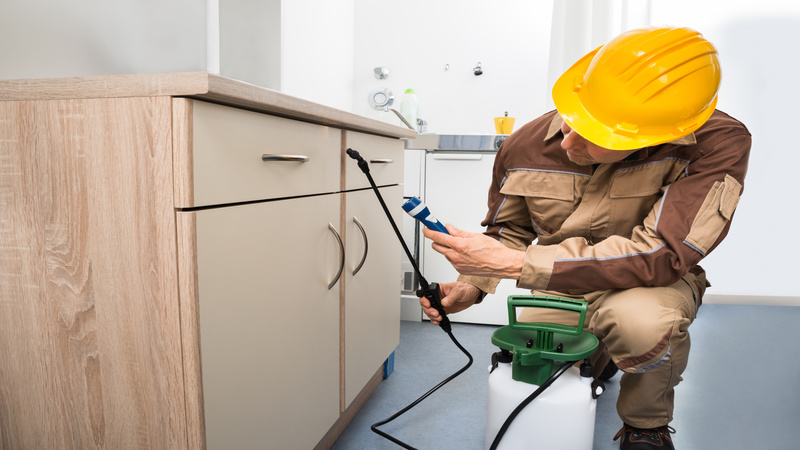
- Targeted Treatment Application: Using appropriate, registered products applied precisely where pest activity exists not broad applications that create unnecessary chemical exposure.
- Entry Point Sealing: Addressing gaps, cracks, and penetrations that allow pest access a physical control measure that reduces reentry between service visits.
- Ongoing Monitoring: Regular inspections that catch new activity early, before it develops into a significant infestation.
- Seasonal Adjustment: Modifying treatment focus and timing to address the specific pest pressures most likely to occur in each season.
Selecting a Pest Control Provider in New Jersey
New Jersey requires pest control applicators to be licensed through the Department of Environmental Protection. When selecting a provider, homeowners should verify licensing, ask about Integrated Pest Management (IPM) approaches that prioritize targeted treatment over broadcast chemical use, and look for companies with demonstrated experience addressing the specific pest pressures common to their area of the state. Transparent service agreements, clear communication about treatment methods, and responsive follow-up service are hallmarks of reliable professional pest control.
Stay Protected Through Every Season
In conclusion, effective pest control in New Jersey requires a proactive, year-round strategy that adapts to the changing pressures each season brings. By combining thorough inspections, targeted treatments, and preventative measures, homeowners can reduce the risk of recurring infestations and maintain a healthier living environment. With experienced support from Horizon Pest Control, residents can rely on customized pest management programs designed for local conditions delivering consistent protection, greater peace of mind, and long-term value for their homes.