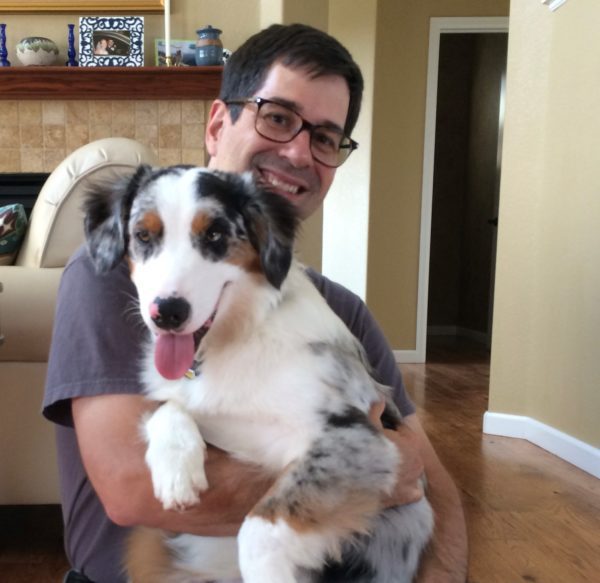
Watching your beloved dog struggle with pain and discomfort can be heart-wrenching, especially when the cause is hip dysplasia—a common condition that affects many breeds, from large to small. As a pet owner, you’re likely searching for gentle, effective ways to manage this chronic issue and improve your dog’s quality of life. For those exploring natural remedies for hip dysplasia in dogs, there are a variety of at-home approaches that can provide relief, enhance mobility, and support overall joint health without relying solely on medication.
Understanding Hip Dysplasia in Dogs
Hip dysplasia is a genetic condition where the hip joint doesn’t develop properly, leading to looseness, inflammation, and ultimately arthritis. Typical signs include difficulty rising, reluctance to run or jump, limping, and decreased activity. While veterinary care is essential for diagnosis and management, incorporating natural remedies at home can make a noticeable difference in your dog’s comfort and mobility.
Home-Based Natural Remedies
1. Weight Management and Exercise
Maintaining a healthy weight is one of the most important steps you can take. Extra pounds put unnecessary stress on your dog’s hips, increasing pain and joint degeneration. Combine a balanced diet with gentle, low-impact exercise such as:
• Short, frequent walks on soft surfaces
• Swimming, which provides resistance and buoyancy without joint stress
• Controlled play sessions
Always consult your veterinarian before starting any new exercise routine, especially for dogs with mobility issues.
2. Dietary Supplements
Certain supplements are widely recognized for supporting joint health and reducing inflammation:
• Glucosamine and Chondroitin: These compounds help rebuild cartilage and lubricate joints.
• Omega-3 Fatty Acids: Found in fish oil, omega-3s have natural anti-inflammatory properties.
• Turmeric: Containing curcumin, turmeric acts as a natural pain reliever and anti-inflammatory.
Introduce new supplements gradually and discuss appropriate dosages with your vet to ensure safety.
3. Physical Therapy and Massage
A gentle massage can promote blood flow, reduce muscle tension, and ease discomfort. Target the muscles around the hips and lower back, using light pressure and slow, circular motions. Additionally, passive range-of-motion exercises—moving your dog’s legs slowly through their natural movements—can help maintain flexibility and muscle tone.
4. Supportive Home Modifications
A few simple changes around your home can help your dog move more comfortably:
• Provide orthopedic dog beds to cushion sensitive joints.
• Use ramps or stairs to help your dog reach favorite spots without jumping.
• Place non-slip mats on slippery floors to prevent falls and further injury.
These small adjustments can significantly reduce daily pain and frustration for dogs with hip dysplasia.
5. Herbal and Holistic Therapies
Some pet owners find relief for their dogs through herbal remedies such as boswellia, yucca, or CBD oil. While research is ongoing, these options may offer additional anti-inflammatory benefits. Always consult your veterinarian before introducing new herbal treatments to ensure they’re safe and compatible with existing medications.
Key Takeaways for Caring Pet Owners
Managing hip dysplasia at home requires a holistic approach that combines weight control, targeted exercise, nutritional support, and thoughtful home modifications. By integrating these natural remedies, you can help ease your dog’s pain, promote joint health, and enhance their daily comfort. Always keep open communication with your veterinarian to tailor a care plan that best supports your dog’s unique needs. With patience and dedication, you can make a meaningful difference in your furry friend’s quality of life right at home.