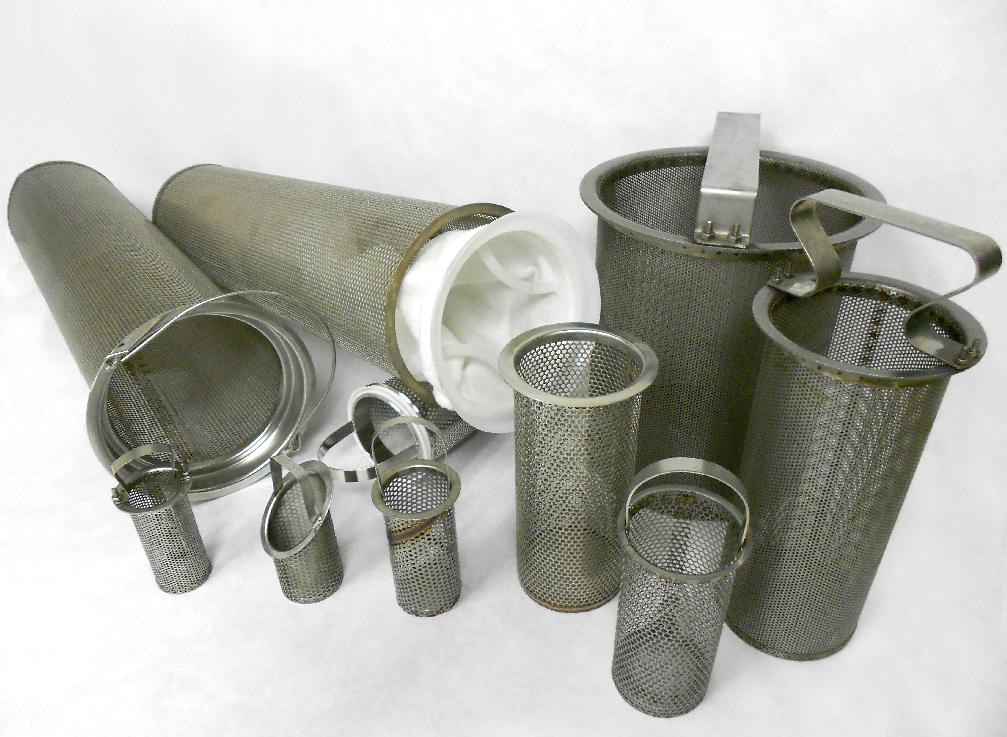
When it comes to maintaining pneumatic systems, ensuring that you have the correct replacement parts is essential for optimal performance and equipment longevity. Many maintenance professionals and engineers find themselves searching for the right filter replacements, especially when dealing with various models and manufacturers. One of the most effective ways to streamline this process is by using an SMC Filter Cross Reference guide. This tool helps users quickly identify compatible filter elements, making part selection faster and more accurate.
Why Use a Cross Reference Guide for SMC Filters?
Filters play a critical role in pneumatic systems by removing contaminants that can damage sensitive components or reduce efficiency. Over time, these filters require replacement to ensure that air quality and system performance remain high. However, with the vast array of filter models and part numbers available, identifying the right replacement can be challenging.
A cross reference guide simplifies this process by providing a comprehensive list of equivalent parts. Whether you’re replacing a filter from a discontinued series or matching an alternative manufacturer’s part, a reliable guide helps eliminate guesswork. This not only saves time but also prevents costly mistakes associated with ordering incompatible parts.
Key Benefits of an Accurate Cross Reference Guide
An accurate filter cross reference guide offers several advantages for technicians, facility managers, and procurement specialists:
- Time Efficiency: Instantly find compatible filter elements without sifting through multiple catalogs or technical manuals.
- Reduced Downtime: Quickly sourcing the correct part minimizes system downtime, keeping operations running smoothly.
- Cost Savings: Avoid unnecessary purchases or expedited shipping by confidently selecting the correct replacement the first time.
- Consistency: Standardize maintenance procedures by using the same reference tool across teams and locations.
How to Use an SMC Filter Cross Reference Guide
Navigating a cross reference guide is straightforward if you know what information to look for. Here are some steps to ensure accuracy:
1. Identify the Original Part Number: Start by locating the part number on your current filter. This information is typically printed on the filter housing or in the equipment manual.
2. Enter the Part Number: Use the search function in the cross reference guide to input your original part number.
3. Review Equivalent Parts: The guide will display compatible replacement options, including part numbers from different manufacturers or updated models.
4. Verify Specifications: Double-check that the replacement matches the required specifications, such as size, filtration rating, and connection type.
5. Order with Confidence: Once verified, proceed to order the replacement part, knowing it will fit and function properly.
Common Mistakes to Avoid
While cross reference guides are incredibly useful, it’s important to avoid common pitfalls:
- Assuming All Equivalents Are Identical: Always confirm that the replacement meets your application’s specific requirements.
- Overlooking System Updates: If your pneumatic system has been upgraded, ensure that the filter specifications remain the same as the original.
- Neglecting Maintenance Records: Keep detailed records of filter replacements to track performance and anticipate future needs.
By following these best practices, you can make the most of your cross reference guide and maintain your pneumatic systems with confidence.
Ensuring Reliable System Performance
Selecting the right replacement filter is crucial for the long-term reliability and efficiency of your pneumatic equipment. An accurate cross reference guide empowers you to make informed decisions, reduces downtime, and helps maintain consistent system performance. Whether you’re managing a single system or an entire facility, leveraging this tool ensures you always have the right parts on hand when you need them. With the right resources, keeping your operations running smoothly becomes a much simpler task.