Selecting the right components for industrial fluid and gas systems is essential for ensuring both safety and operational efficiency. In the vast landscape of process industries across the United States, tube fittings play a critical role in connecting, sealing, and supporting piping systems under a wide range of conditions. Many engineers and procurement specialists search for Stainless Steel Tube Fittings when seeking durable, corrosion-resistant solutions that can withstand demanding environments and deliver long-term performance.
Understanding Stainless Steel Tube Fittings
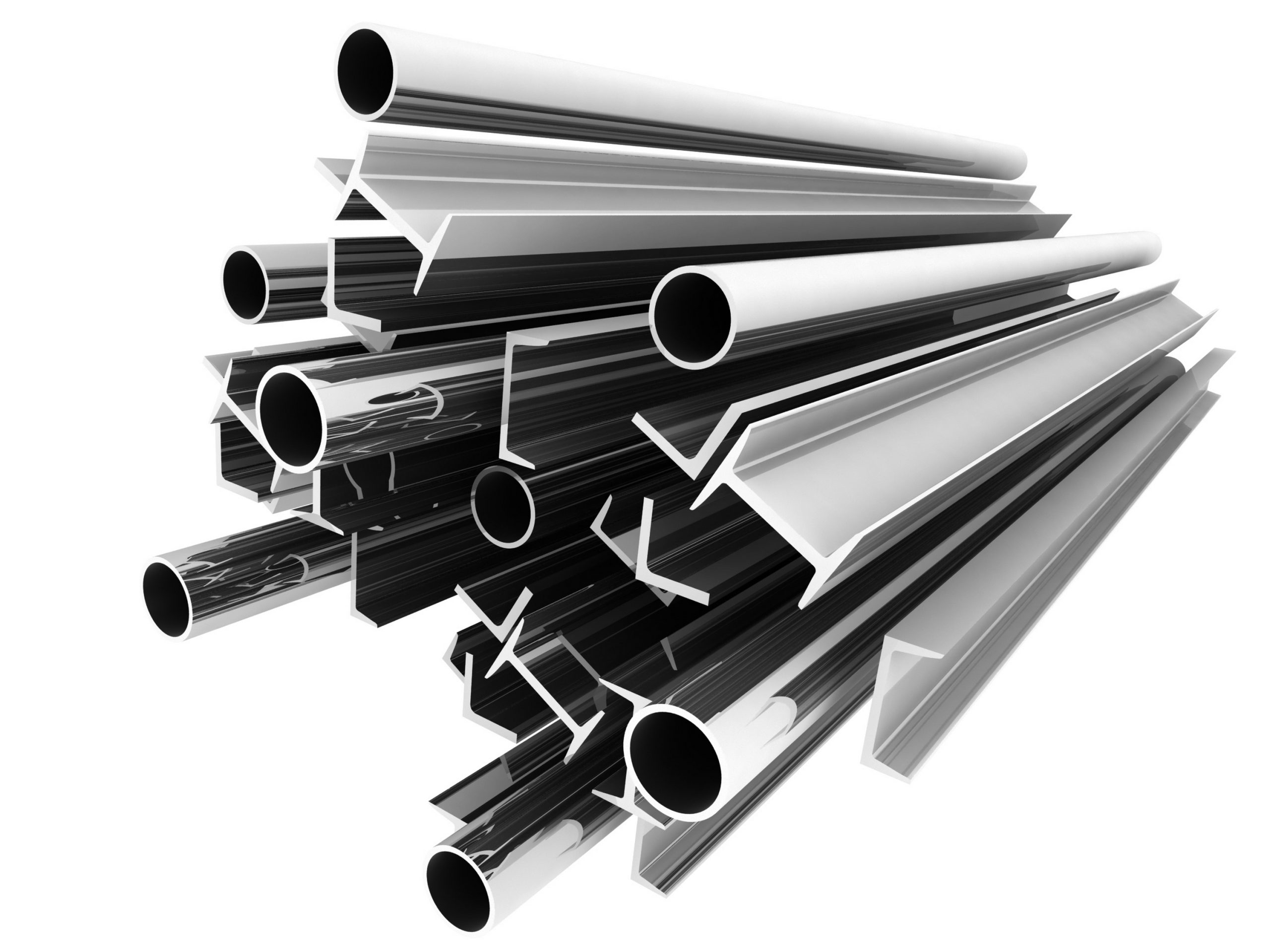
Stainless steel tube fittings are engineered to offer robust connections between tubes and pipes, particularly in sectors where exposure to moisture, chemicals, or extreme temperatures is common. These industries include food and beverage processing, pharmaceuticals, petrochemicals, and water treatment facilities. The unique properties of stainless steel—such as its resistance to rust and chemical degradation—make these fittings especially valuable in environments where hygiene, durability, and safety are paramount.
Key Factors in Selecting the Right Fittings
When choosing stainless steel tube fittings, several considerations should guide your decision to ensure reliable performance:
1. Application Requirements:
Consider the operating pressure, temperature, and type of media (liquids or gases) that will flow through the system. The fitting must be rated to handle these conditions without compromising integrity or safety.
2. Material Grade:
Stainless steel comes in various grades, with 304 and 316 being the most common. While 304 offers good corrosion resistance, 316 provides enhanced protection against chlorides and industrial chemicals, making it ideal for marine or chemical processing environments.
3. Connection Type:
Fittings are available in several connection styles, including compression, push-to-connect, and welded options. The best choice depends on factors such as installation speed, maintenance requirements, and the need for leak-proof performance.
4. Sizing and Compatibility:
Ensuring correct dimensions and compatibility with existing tubing systems is vital. Improper sizing can lead to leaks, operational inefficiencies, or costly downtime.
5. Compliance and Standards:
Always confirm that the fittings meet relevant industry standards such as ASTM, ASME, or ISO. Compliance ensures the fittings have undergone rigorous testing for quality and safety.
Benefits of Stainless Steel Tube Fittings in US Industries
American industries favor stainless steel tube fittings for several compelling reasons:
- Longevity: Stainless steel resists wear, corrosion, and high temperatures, reducing replacement frequency and maintenance costs.
- Hygiene: The smooth, non-porous surface is easy to clean and sanitize, making it suitable for food, beverage, and pharmaceutical applications.
- Strength: Stainless steel maintains its mechanical properties in harsh conditions, providing reliable performance even under heavy loads or vibrations.
- Versatility: With a wide range of sizes, shapes, and connection types, these fittings can be tailored to almost any industrial application.
Ensuring Reliable System Performance
Proper selection, installation, and maintenance of tube fittings are crucial for system integrity. Always follow manufacturer guidelines for torque, alignment, and assembly. Regular inspections help identify potential issues such as leaks or corrosion before they escalate, ensuring continuous, safe operation.
In summary, the right choice of stainless steel tube fittings can significantly impact the efficiency, safety, and longevity of industrial systems. By carefully assessing application requirements, material grades, and compliance standards, US industries can secure reliable connections that stand up to even the most demanding operational environments. Investing in high-quality fittings is a proactive step toward minimizing downtime and maximizing productivity—key goals for any successful industrial operation.