
 By Aiden Armstrong
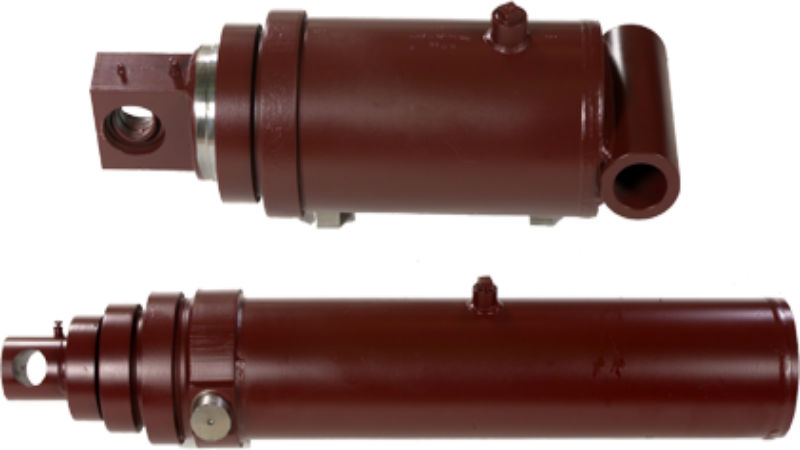
One of the biggest advantages to selecting a single acting cylinder over a double acting cylinder is the simplicity of the system which tends to eliminate some of the most common problems. These cylinders are also more streamlined and can be used in a wide variety of applications on all types of equipment and machinery.
However, even when a single acting hydraulic cylinder is used it is natural for some wear and tear to occur, particularly if it is used on an ongoing basis or is used in harsh conditions or with loads that are close to or exceed the capacity of the system.
With routine inspection of the hydraulic system before and after use, early signs of problems in the system can be more readily detected. This not only extends the life of the cylinder but it also helps to reduce downtime due to a cylinder failure. Routine inspection and maintenance also provides the operator with a good estimate of when the cylinder needs to be replaced, which provides options to pick your time to complete the replacement rather than having to deal with issues after a major problem occurs.
Bent Rods
The most common cause of bent rods in a single acting hydraulic cylinder is using a hydraulic cylinder and rod that is undersized compared to the load. When this occurs on a regular basis, the rod will bend, which leads to misalignment in the cylinder and damage to the rod bearings.
Look for signs of wear on one side of the rod seal or the rod bearings. The rod itself, or the stages in a telescoping cylinder, are worn on one side where they are making contact.
Seal Problems
When there is a seal problem on a single acting hydraulic cylinder, there may be small amount of fluid loss initially, but it can become worse. Contaminants in the fluid, which can include water or small particles, will result in hardening or damage to the seal and an increased risk of problems.
Even air getting into the oil can create problems with heating the air and oil combination. The bubbles produced can damage the seal and even remove small pieces if it is not identified in time.
Sometimes the wrong seal for the working conditions is the cause of the seal failure. If this occurs, replacing the existing system with the correct sized hydraulic cylinder with the right seal for the temperature range will eliminate the problem in the new cylinder.