
 By Aiden Armstrong
As technology and engineering advances, so do the options available to create precision parts of all types and sizes. This is certainly true with centerless grinding operations and machines which provide the best option for tighter tolerances combined with some of the smoothest surface finishes available through any grinding process.
However, there are also other benefits to consider with the centerless grinding process over alternative grinding methods. Depending on the project, the specifications and the specific materials this may be the best option to create the final part that you need.
The Basics
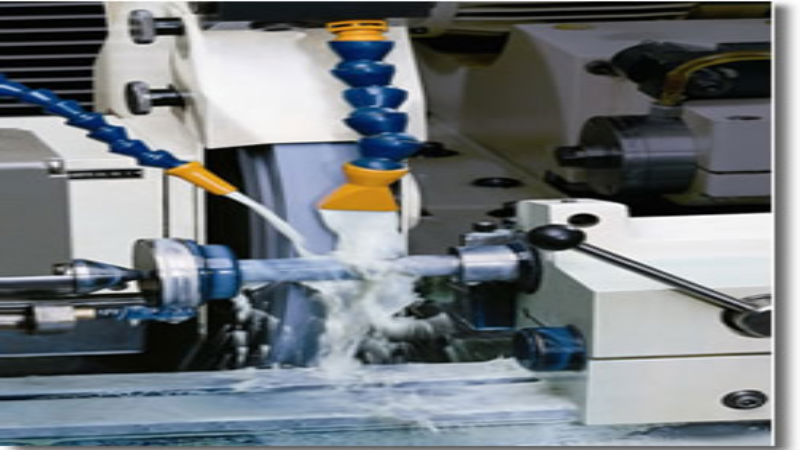
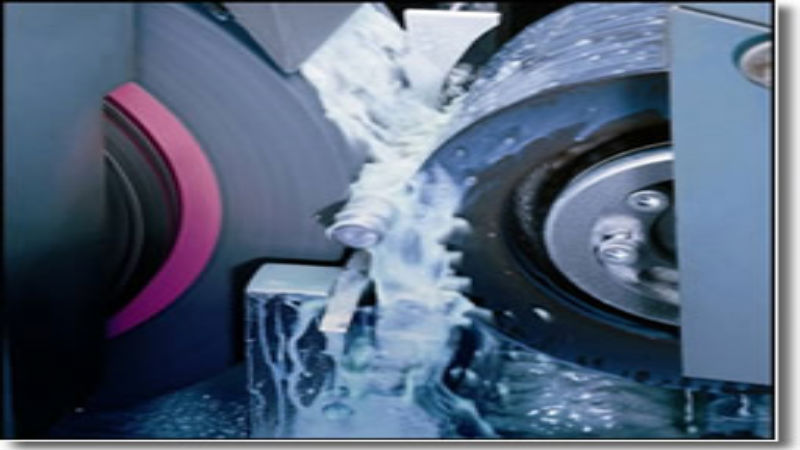
The basic difference between centerless grinding and other grinding methods is that there is no fixture or spindle to hold the part in place while the grinding process occurs. Instead, the part is held in place by the two grinding wheels that are rotating with speed and rotation that is set to remove the desired amount of surface material per pass.
There is actually one wheel which is stationary, and this wheel rotates in a downward direction to the piece that is being processed. The other wheel, the moving wheel or regulating wheel, rotates in the opposite direction.
The fixed or stationary wheel is the wheel which provides the grinding action while the other wheel is calibrated to provide pressure on the piece to hold it into the stationary wheel to produce a uniform, even surface.
Continuous Grinding
Through virtually continuous grinding offered centerless grinding is a much faster process than other options. This means less time to have to worry about loading and more time actually spent in the grinding process.
This is important as it can help to reduce the costs and also speed up production. Even a few seconds per piece when you have thousands of pieces in an order makes a very big difference.
True Floating
Since the piece being round is not attached but rather floating, there is no change in the pressure from either wheel throughout the entire grinding processes. This means that there is a more consistent end product with more removed at each pass. With other types of grinding pressure has to be minimal to avoid distortions and irregular grinding based on the distance from the attachment and the center of the piece.
Finally, with a consistent, even and supported type of centerless grinding there is more flexibility even with naturally brittle materials. This provides increased options for grinding even with materials that may be difficult using other techniques.